
Blockchain-based protocol for cyber resilience.

TEP: Secure Communication
Powered by Blockchain

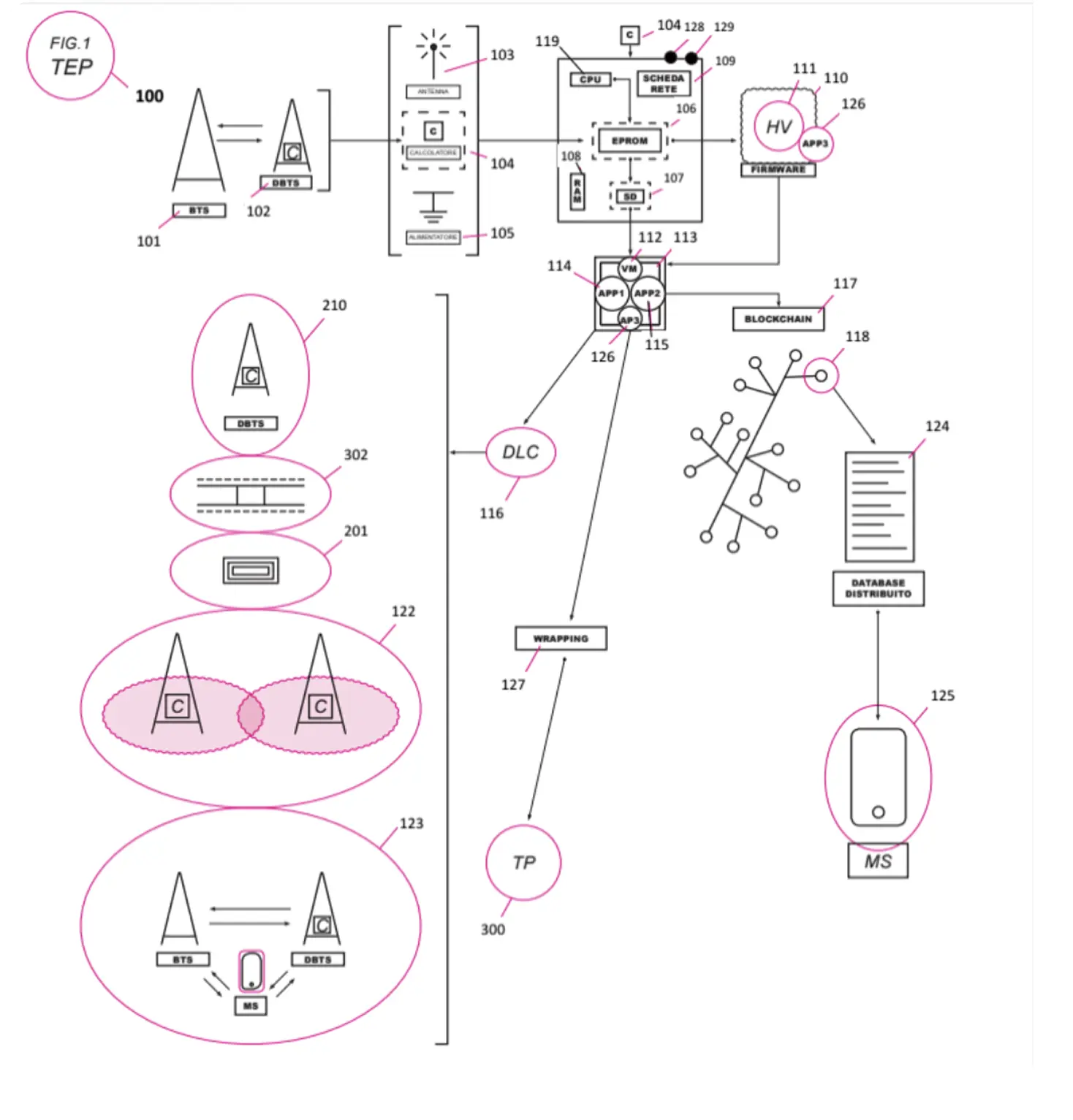
  • Distributed identity layer: dynamically creates sender and receiver identities through a blockchain-based ledger, enabling cryptographically verifiable authenticity.
  • Multi-layer encapsulation: protects not only message payloads, but also transport and application layers via a proprietary encryption mechanism.
  • Directed encrypted delivery: routes traffic across a decentralized mesh by selecting destination nodes through hashed identifiers.
  • Integrity-checked reception: the receiving node validates integrity, confirms address consistency, and decrypts each layer to reconstruct the original message.
TEP protocol scheme

TEP in action

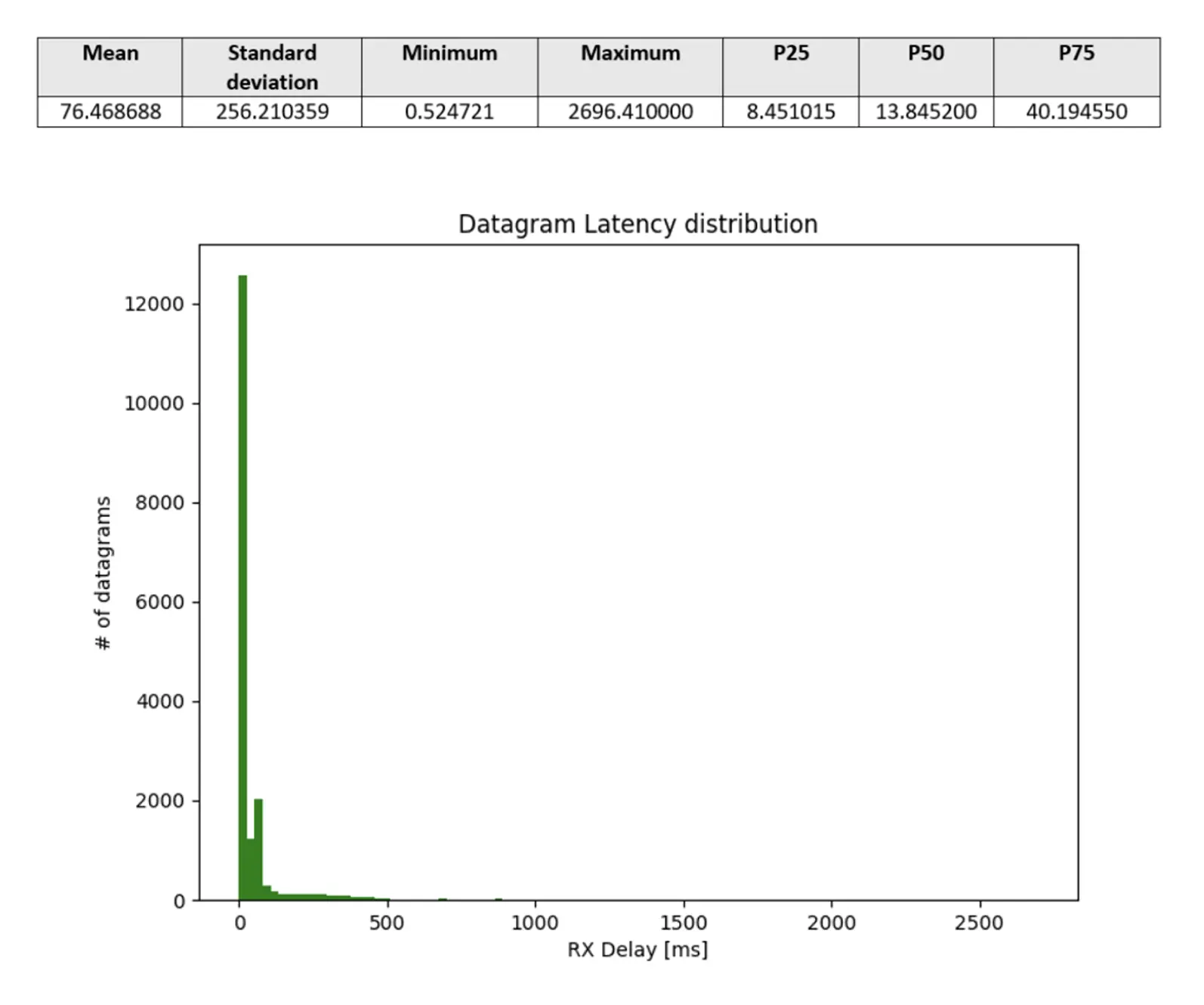
  • Delivers ultra-low latency packet transmission (sub-millisecond) even across fully encrypted and encapsulated channels.
  • Preserves high throughput without requiring hardware acceleration, despite complete OSI stack protection.
  • Exceeds the performance of traditional VPN and TLS-based architectures in real-time and latency-critical use cases.
  • Engineered and validated for constrained environments, with no reliance on cloud services or external infrastructure.
  • Supports real-world deployments such as secure sensor-to-gateway communications in decentralized and adaptive mesh networks.
  • Demonstrates strong security guarantees without compromising speed or efficiency.

TEP: high throughput and minimal latency

TEP vs. traditional protocols: key differences

  • Protocol depth
  • End-to-end encryption covering data, metadata, routing, and identity
  • System-wide encapsulation across OSI layers 1 through 7
  • Trust model
  • Blockchain-native identity eliminating reliance on PKI, DNS, or static addressing
  • Embedded trustless routing with no overlays or tunnel-based VPNs
  • Edge resilience
  • Intrinsic resistance to DDoS, spoofing, and MITM attacks through absence of exposed endpoints
  • Operable in offline, air-gapped, or degraded connectivity conditions
  • Native AI orchestration
  • Designed for machine learning integration, enabling automated anomaly detection and adaptive routing

Validation, Adoption, and Investment

  • TRL 4 – Core architecture validated in controlled test environments
  • Ongoing proof-of-concept deployments with defense and governmental entities
  • €1 million in funding granted through the Italian National Military Research Program
  • NATO eligibility via CAGE and SAM registration for allied procurement programs
  • Five registered patents covering protocol design, encryption techniques, and trustless transport mechanisms
  • Founding team with direct experience in cyber intelligence and operational field environments
Co-funded by the European Union - NextGenerationEU

Transport Encrypted Protocol (TEP)
The component of the project related to the communication routing methodology implemented within the TEP protocol was financed under the “Brevetti +” program, using European Union NextGenerationEU funds.
CLP: BRE 0001323
CUP: C89|23000070008
Project for the valorization of patent no. IT102020000014518.
Patent IT102020000014518 protects an invention concerning a communication method between nodes of a telecommunications network, leveraging a graph database for routing transmissions within a distributed node architecture. This methodology represents a core element of the broader TEP initiative, a telecommunications and data transport protocol applying blockchain principles to secure communications.

Write to us for a free consultation

Contact us